

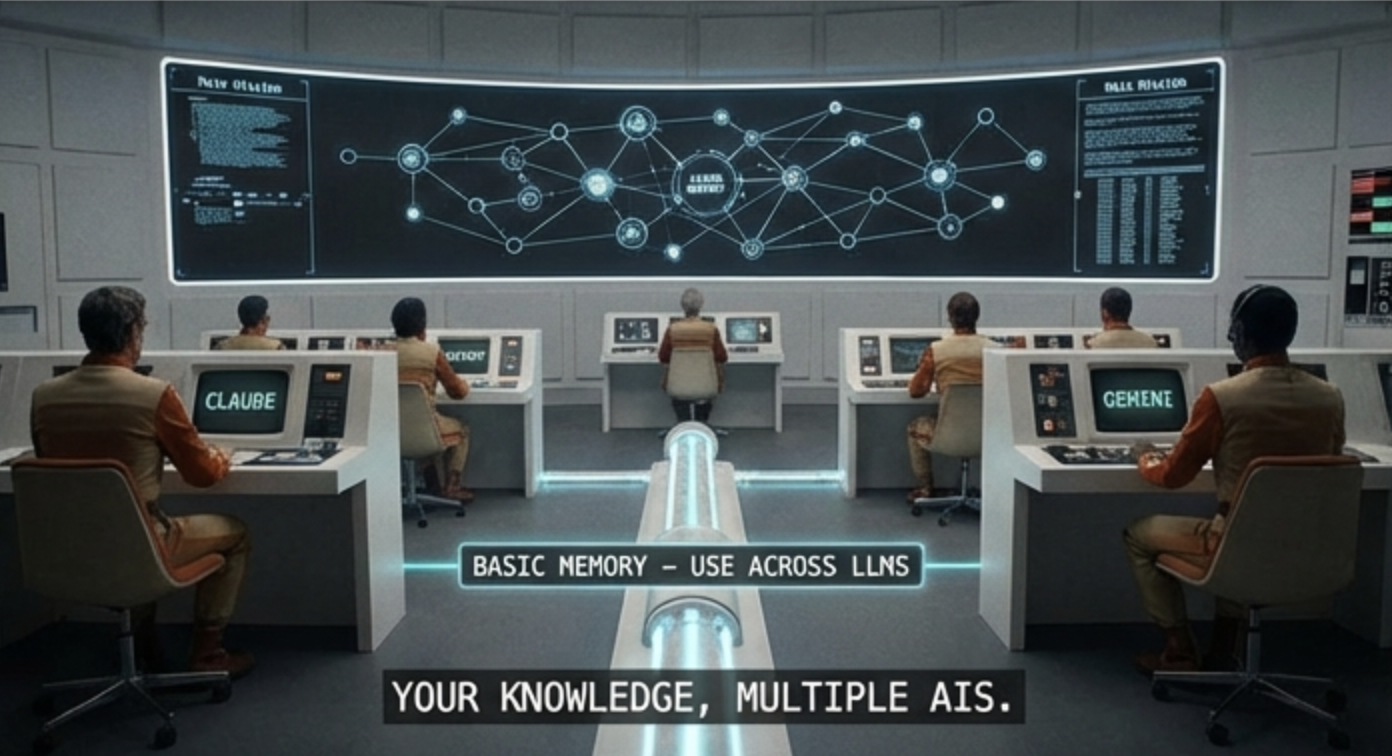
There's a bad metaphor floating around tech right now: that programming with AI is like having a junior developer. You give it tasks, review its work, and occasionally clean up its messes.
That's wrong. It undersells both you and the AI.
Here's a better one: programming with AI is like conducting an orchestra.
The Conductor Isn't Hands-Off
People who've never watched a conductor closely think the job is just waving a stick. Stand at the front, look important, take a bow.
But a conductor is arguably the most expert person in the room. They know every instrument's part — the first violin, the oboe, the timpani — often better than the players themselves. They've studied the score for months. They hear when the cellos are a quarter-beat behind. They feel when the brass is overpowering the woodwinds.
They just don't play any of the instruments.
Sound familiar?
You Still Have to Know the Score
This is where the "AI replaces programmers" crowd gets it wrong. You can't conduct music you don't understand. A conductor who can't read a score isn't leading a performance — they're waving their arms while professionals do their jobs in spite of them.
The same is true for coding with AI. If you don't understand what good architecture looks like, you'll accept bad architecture. If you can't recognize when two parts of a system are quietly working against each other, you won't catch it until something breaks in production. The AI will produce something, and you'll ship it, and it'll fall apart while you stand at the podium wondering what went wrong.
Domain expertise isn't optional. It's the whole job.
Real-Time Adjustment, Not Set-and-Forget
A conductor doesn't hand out sheet music and leave. The performance is live. They're listening, watching, adjusting in real time:
- The tempo's dragging — push it.
- The strings are too loud for this passage — pull back.
- The flute entrance was late — cue it earlier next time.
This is exactly what effective AI-assisted development looks like. You're not writing a prompt and walking away. You're reading the output, catching the wrong note, redirecting before it cascades.
Multiple Players, One Vision
A symphony orchestra has 80+ musicians playing different parts simultaneously. The conductor is the only person who hears all of it at once and holds the vision of what it should sound like together.
This is increasingly literal. Right now, people are running multiple AI agents working on different parts of the same codebase. Without someone holding the whole picture, you get noise. Parts that technically work but don't cohere.
The conductor's job is coherence.
What This Means for You
Stop thinking of yourself as a manager delegating to a junior. That framing makes you passive. You're in the performance. You're leading it.
Learn the score. Know every part. Listen for the wrong notes. Hold the vision.
The best AI-assisted developers aren't the ones who write the cleverest prompts. They're the ones who understand their systems so deeply that they can hear when something's off — and correct it before it ships.